01
REPULI · PHYSIOTHERAPY
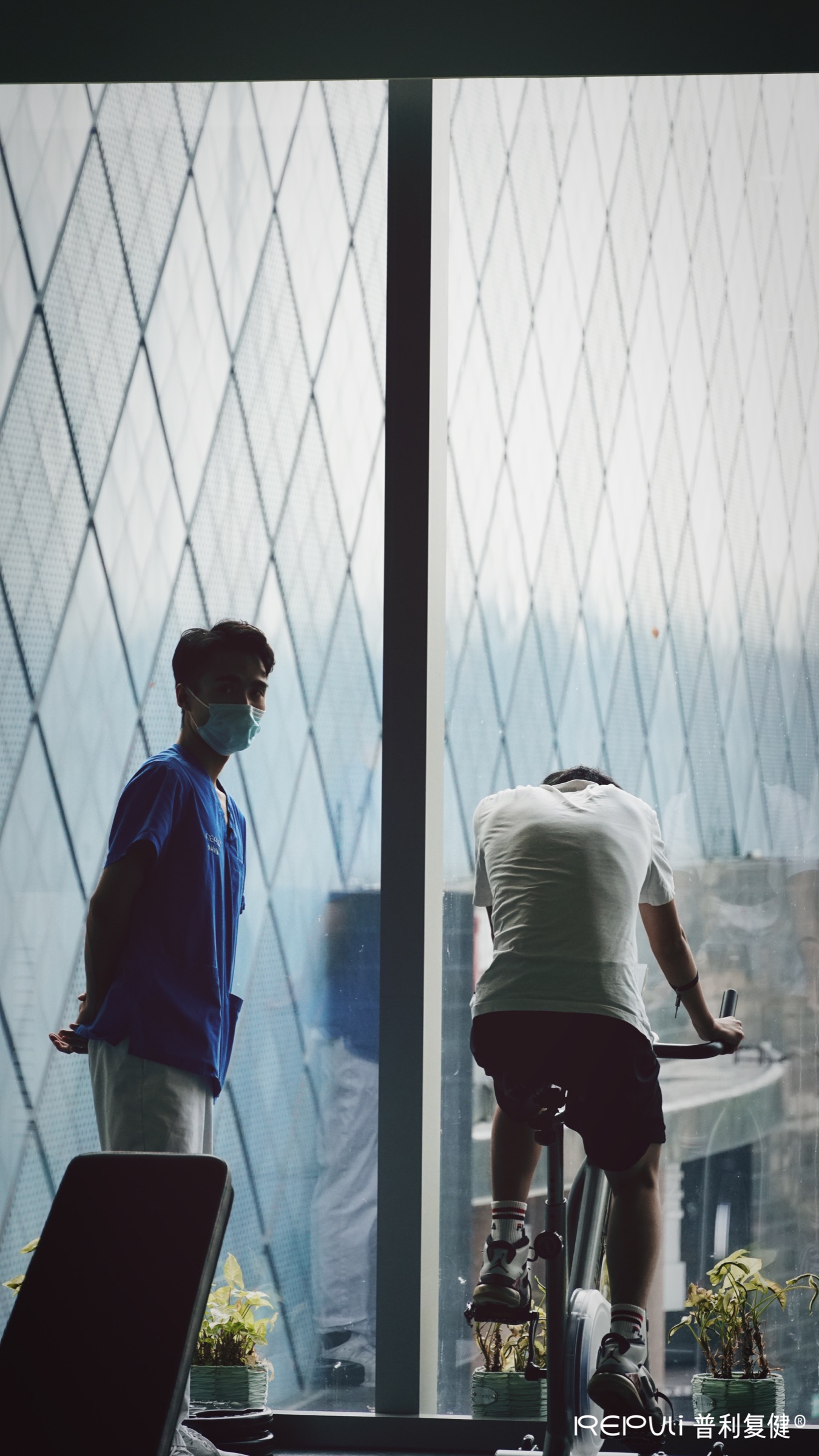
Sports injuries
Movement-related problems and return-to-sport goals.
Explore the pathway 中文 / ENBook an assessment
ASSESS · REASON · REBUILD
Evidence-informed rehabilitation, built around your goals, function and real-life demands.
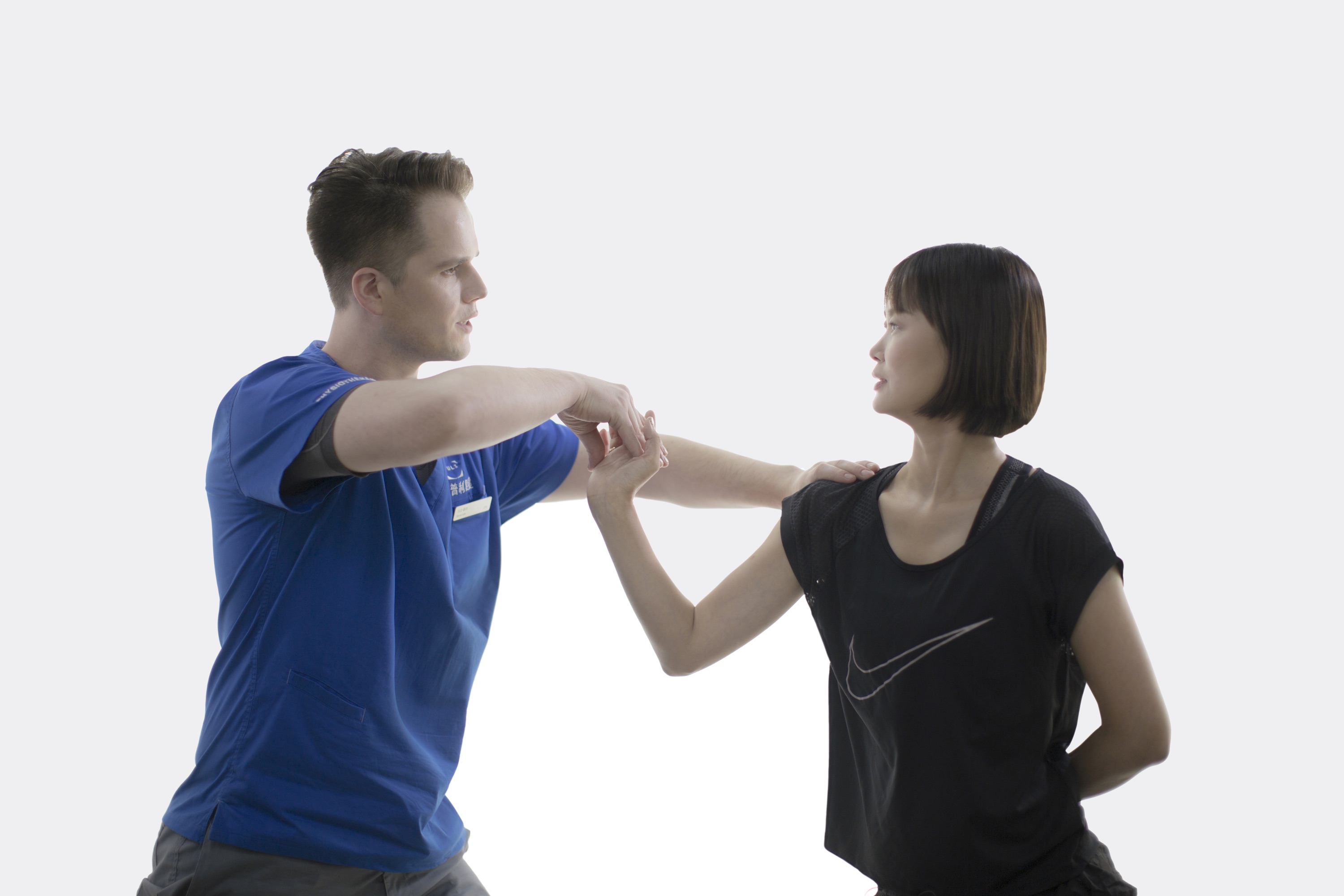
BEYOND SHORT-TERM SYMPTOM RELIEF
Rehabilitation considers why movement or participation has become difficult, and how to rebuild capacity for daily life, work and sport.
01 · SERVICES
REPULI · PHYSIOTHERAPY
Movement-related problems and return-to-sport goals.
Explore the pathway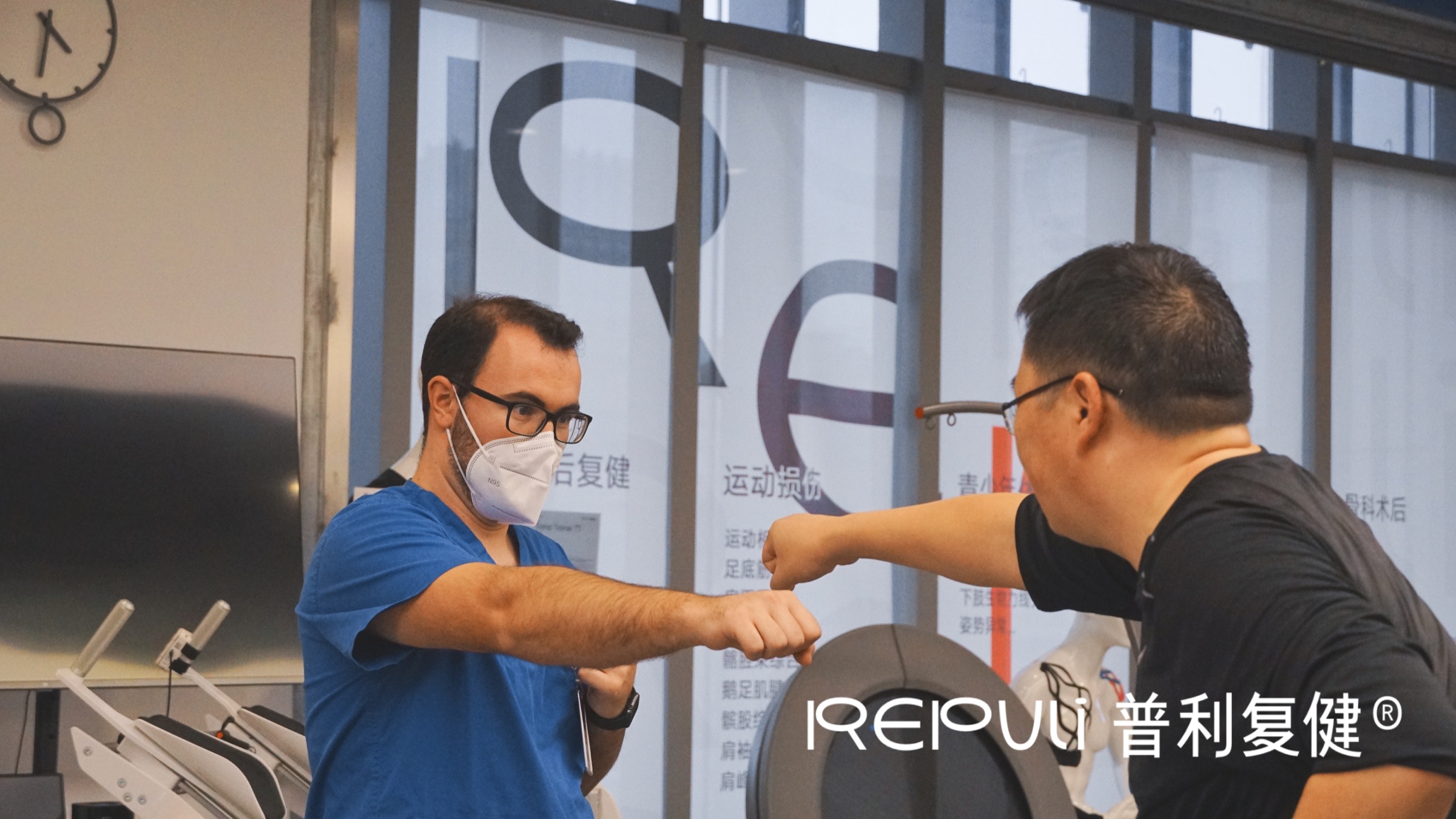
REPULI · PHYSIOTHERAPY
Joint, neck, back and other concerns affecting daily function.
Explore the pathway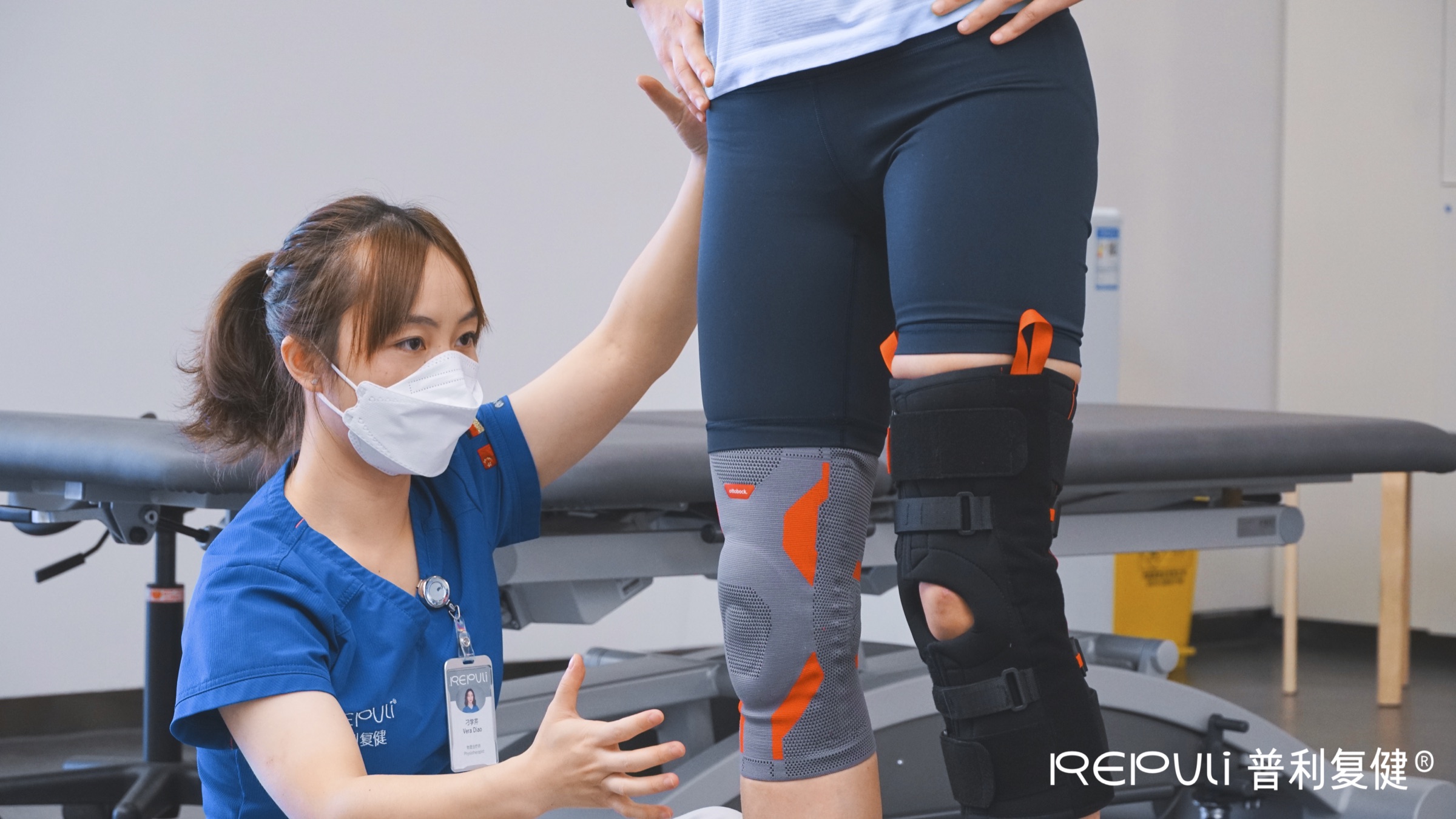
REPULI · PHYSIOTHERAPY
A staged approach within your medical restrictions.
Explore the pathway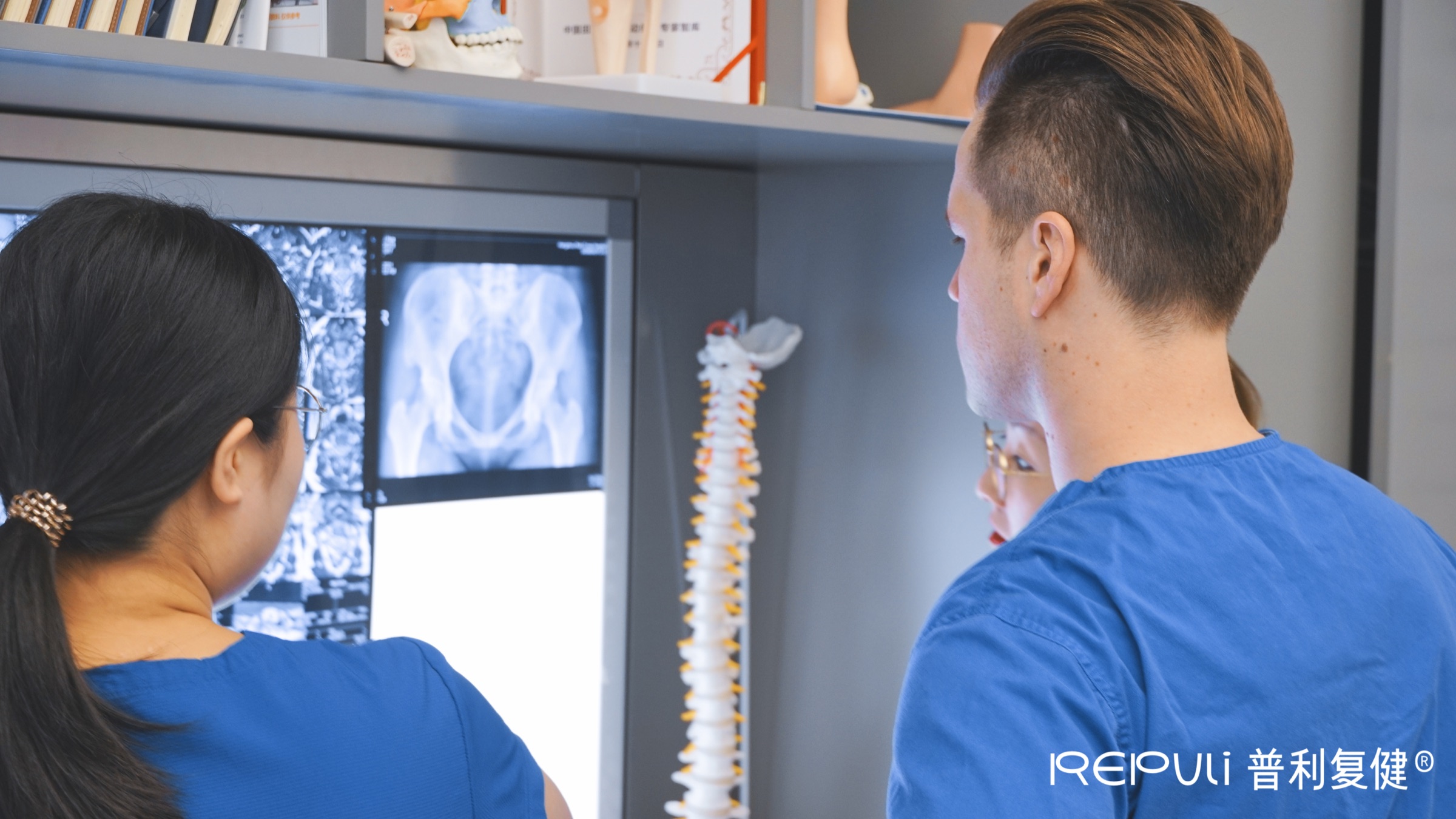
REPULI · PHYSIOTHERAPY
A clinical reasoning framework, not a diagnosis or score.
Explore the pathway02 · HOW WE WORK
The next step is guided by assessment findings, agreed goals and how your function responds over time.
Read Our Clinical ApproachDiscuss the concern, context, risks and goals.
Explain the options and what will be monitored.
Use appropriate care and progressive activity.
Review change and adjust the next step.
BAIZE CAPACITY–LOAD CLINICAL FRAMEWORK
Human function emerges from the relationship between what the body can manage and what life asks of it.
BAIZE helps organise clinical information. It is not a diagnostic test, risk prediction tool or single score.
Explore the frameworkBaizePilot · CONNECTED CARE
Your goals, assessment, care plan and reassessment stay connected—so each visit can build on what came before.
BAIZE organises clinical reasoning. BaizePilot supports continuity of care; professional decisions remain with the clinical team.
Explore BaizePilotTEAM & ORGANISATION SERVICES
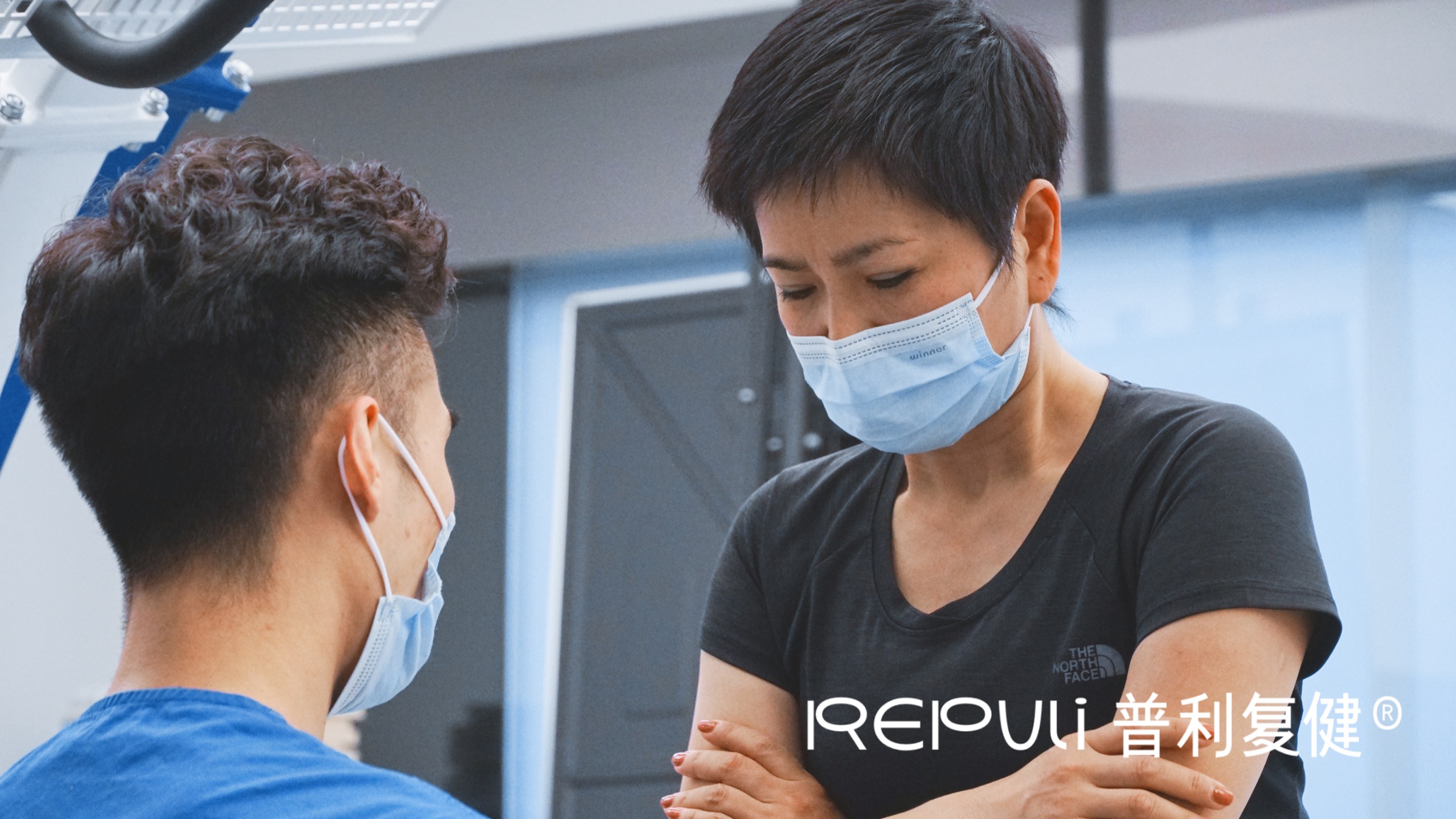
Physiotherapy and musculoskeletal support before, during and after events, for athletes and event teams.
Business enquiries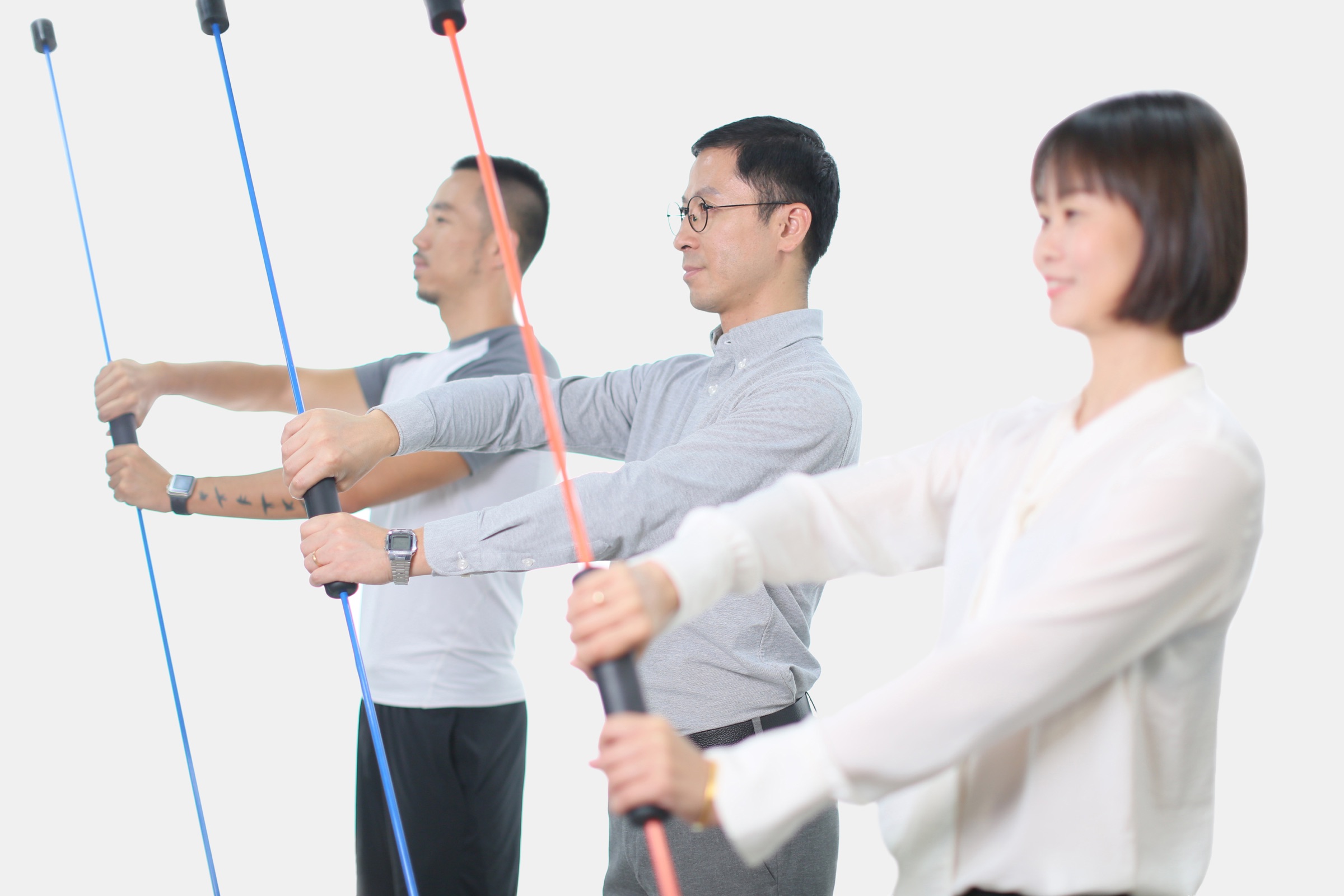
Spinal health assessment, radiation-free dynamic scanning and group health programmes, with the scope agreed in advance.
Corporate enquiries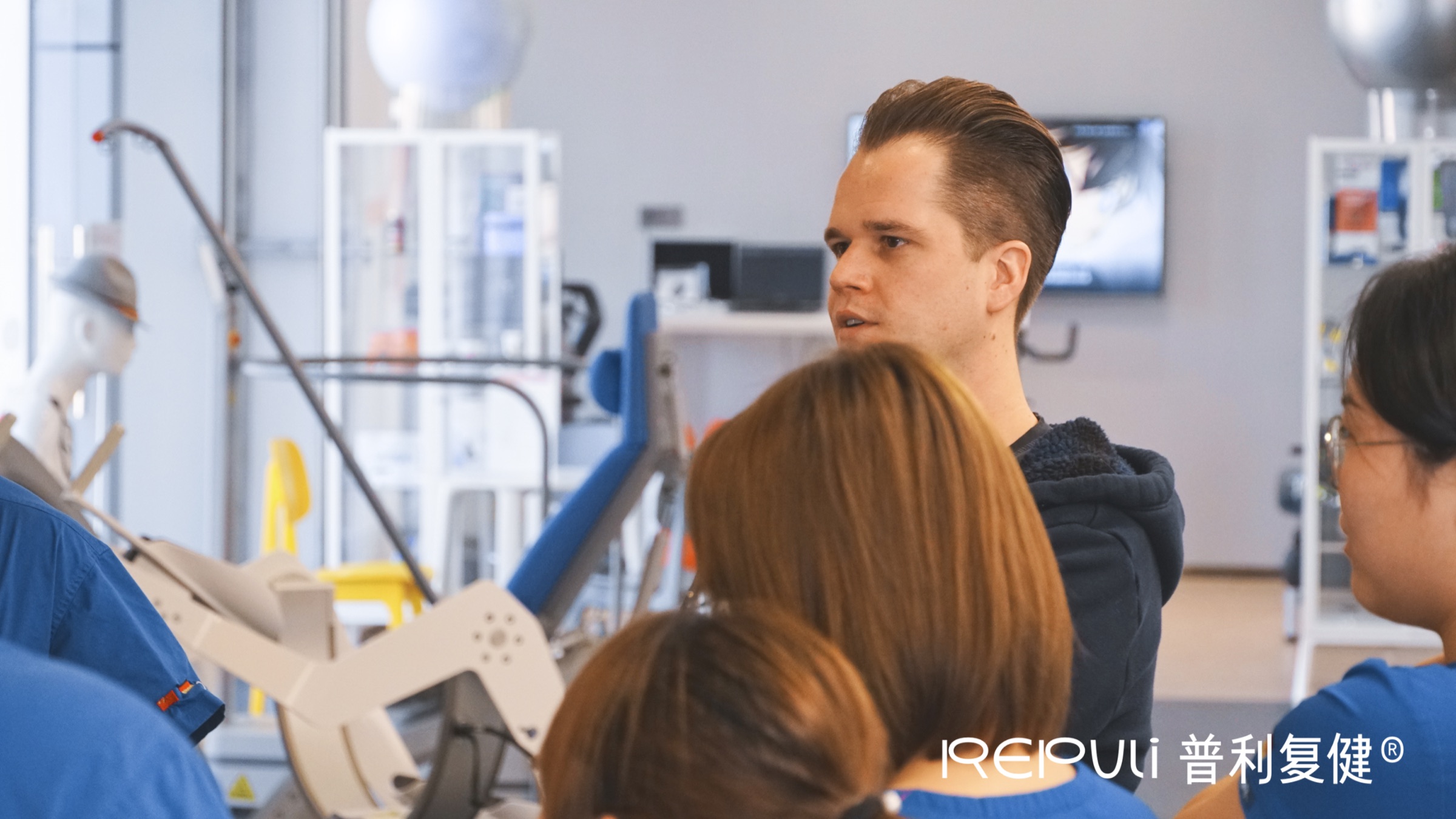
German physiotherapy continuing-education pathways and professional development for physiotherapists.
Education enquiries03 · FAQ
Bring relevant imaging, reports, surgical records and supports if available, and wear clothing that allows movement. The clinician will first discuss your history and goals, then assess relevant function.
Rehabilitation starts with functional assessment and goals. Exercise therapy, manual techniques, education and other appropriate approaches may be used to improve movement and build capacity for relevant activities.
Timing and precautions depend on the procedure and your surgeon’s guidance. Contact the team with the surgery type and date so the appointment can be planned within the relevant restrictions.
No. Everyday pain, stiffness, weakness or restricted activity can also be discussed. The plan is based on your current ability and goals.
Pain, weakness, instability, restricted movement or reduced performance affecting the ankle, knee, hip, back, shoulder, elbow, wrist or hand can be discussed in a functional assessment. Severe acute trauma requires medical care first.
Not always. Imaging findings and symptoms do not correspond one-to-one in every person. History, examination, function and relevant risks also matter.
It usually includes history and goals, physical and movement examination, relevant functional measurements, explanation of findings and a staged plan. The content is adapted to the individual.
There is no fixed number for everyone. The plan is discussed after assessment and adjusted through reassessment.
The decision depends on symptoms, risk and current capacity. Neither complete rest nor pushing through is always appropriate. Assessment helps identify loads to modify and activities that may be retained.
It considers structural, functional, biological and recovery capacity alongside mechanical, physiological and psychological load. It helps organise clinical reasoning about limiting factors; it is not a diagnostic test or fixed score.
Assessment may guide exercise therapy, functional training, load modification, health education and appropriate physiotherapy. Tools serve the goal; the same programme is not applied to everyone.
Sometimes modified activity can be retained, but type, intensity, frequency and recovery may need adjustment. The decision depends on symptoms, risk and current capacity.
REPULI lists service points in Hangzhou and Beijing. Please use the location pages or call ahead to confirm the appointment, location and availability.
Yes. Workplace spinal health assessment, team functional screening and physiotherapy support before, during and after events can be discussed. The scope must be agreed in advance.
04 · SERVICE LOCATIONS
HANGZHOU · BINJIANG
Please call to confirm appointment availability.
Location detailsBEIJING · CHAOYANG
Please confirm the preferred location before visiting.
+86 183 6711 1580Unified appointment telephone.
Location detailsABOUT REPULI
REPULI 普利复健 is a physiotherapy and rehabilitation brand serving Hangzhou and Beijing. David Konrad Lehr is REPULI's founder and core expert. Our public materials explain rehabilitation through assessment, clinical reasoning, function and reassessment.
FOUNDER & CORE EXPERT
“In Germany, we emphasise standards, processes and evidence. In China, I hope to make rehabilitation a system that can be trusted, understood and continually improved.”
David brings German physiotherapy standards, processes and education to China, supporting a system of care that can be understood, measured, reassessed and continually improved.
Areas of work include post-operative functional rehabilitation, sports injuries and persistent musculoskeletal problems, posture and spinal function, oncology rehabilitation and lymphoedema, pelvic-floor function and neuromusculoskeletal rehabilitation.
APPOINTMENTS & ENQUIRIES
Hangzhou: +86 135 1681 7096
Beijing: +86 183 6711 1580
Call ahead to confirm the service location and appointment availability.
Fees and service guide