CLINICALLY REVIEWED
Chronic Low Back Pain Is Not a Prescription for Rest: Rebuilding Function Through Capacity and Load


REPULI PROFESSIONAL INSIGHTS


A patient-facing, evidence-informed guide to pelvic floor strength, relaxation, coordination and load management.

Anterior knee pain often appears during stairs, squats and running because these tasks combine load, knee flexion and repetition. This article explains the boundaries of patellofemoral pain assessment and how function, load and recovery guide progression.

Repeated ankle sprains, giving way and a sense of unreliability can involve mechanical stability, sensorimotor control, strength and task capacity together. This article explains assessment and rehabilitation boundaries without promising recurrence prevention.
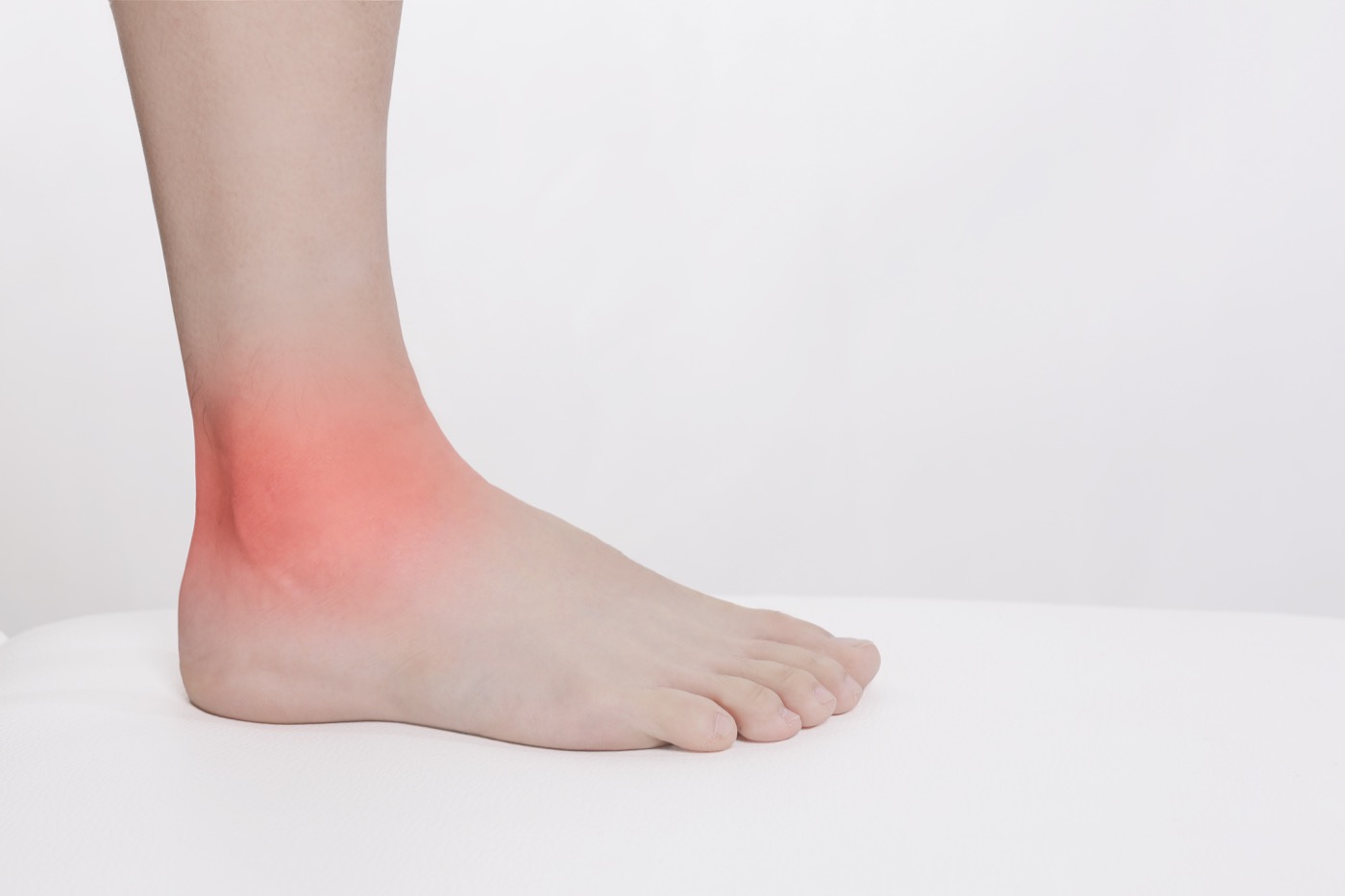
Persistent ankle pain after a sprain is not automatically just an incompletely healed old injury. This article explains reassessment questions, imaging boundaries and when referral is appropriate without offering self-diagnosis.
A cam, pincer or mixed morphology on imaging does not by itself diagnose femoroacetabular impingement syndrome or require stopping sport. This article explains how symptoms, examination, function and load are interpreted together.
Return to running is not a one-time clearance decision. It is a graded process that considers tissue status, strength, single-leg function, running load and recovery response. This article uses current guidance, consensus evidence and the BAIZE framework to explain how readiness can be reassessed.
The timing and progression of post-operative rehabilitation depend on the procedure, repaired tissue, concurrent restrictions and individual response. This article uses guidelines, consensus statements, systematic review evidence and the BAIZE framework to explain how protection and progressive loading can coexist.
Normal imaging does not make pain unreal, and an imaging abnormality is not automatically the source of pain. This article explains the relationship among imaging, pain and function through current evidence and the BAIZE framework.
Training load does not automatically equal harm. Drawing on sports-injury research and the BAIZE Capacity–Load Clinical Framework, this article examines how load, capacity, recovery and context shape adaptation.

Massage may have a useful role in rehabilitation, but lasting functional recovery commonly requires active capacity building, load management and reassessment.
Passive care and active training serve different roles. This article explains how symptom modulation can be connected to strength, endurance, control and load tolerance.

Pain returning after physiotherapy does not necessarily mean treatment failed. This article examines symptom fluctuation, re-exposure to load, recovery capacity and reassessment.
Massage may create a short-term window of symptom relief. This article explains how that window can be connected to capacity building, load management and functional recovery.